
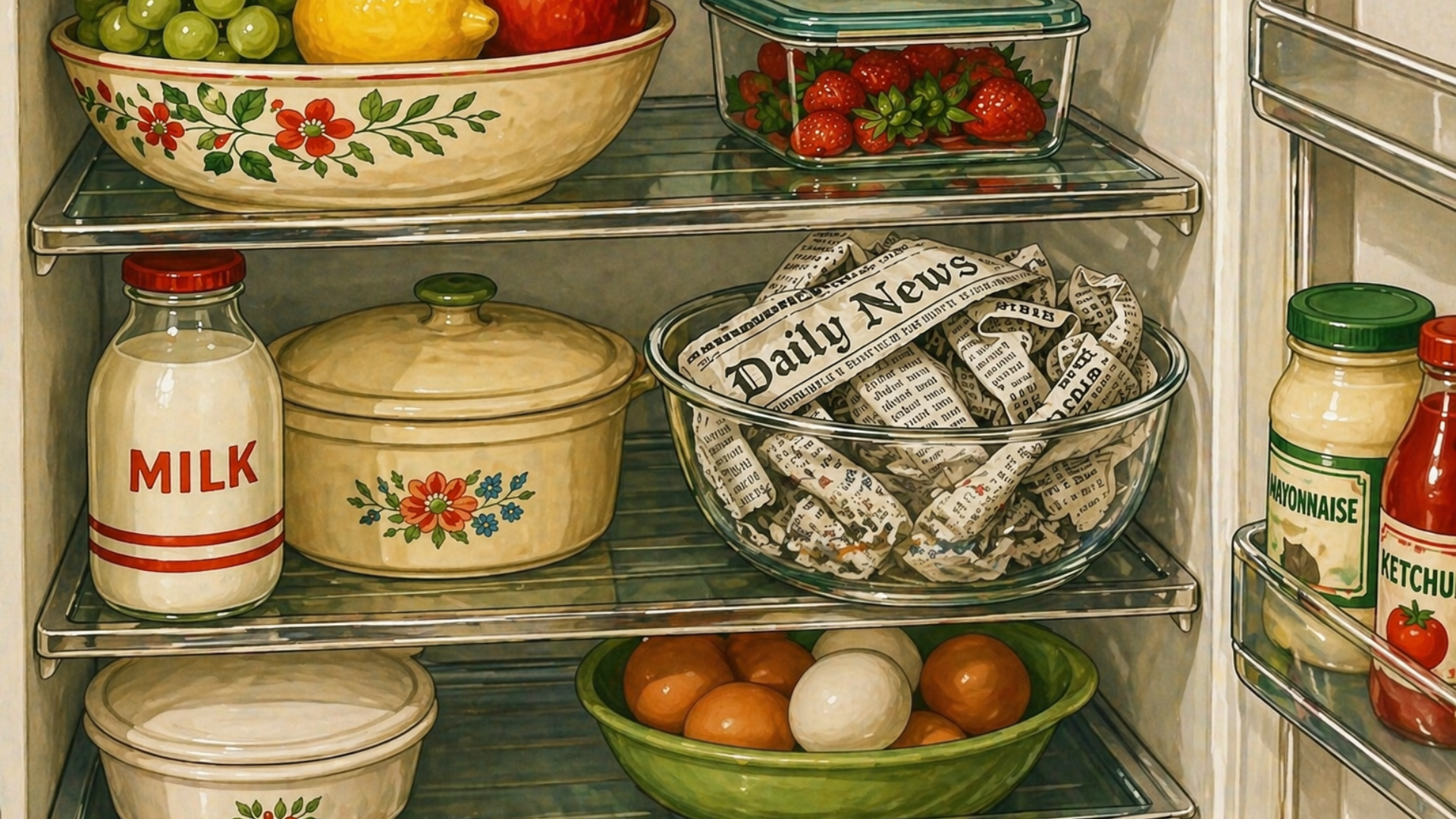
Let’s be real—we’ve all had that moment. You open the fridge looking for a snack, and instead, you’re hit with a “mystery smell” that makes you want to close the door immediately. Whether it’s leftovers that stayed a day too long or a pungent onion taking over the shelf, a stinky fridge is a total vibe-killer.
The good news? You don’t need harsh chemicals or a full afternoon of scrubbing to fix it. Most of the best odor-crushing tools are probably sitting in your pantry right now!
I’ve rounded up 10 of my favorite, tried-and-true hacks to neutralize smells and keep your kitchen’s MVP smelling fresh. These aren’t just quick fixes; they’re easy habits that actually work. Here are 10 effective ways to control and eliminate odors:
10 Simple Hacks to Keep Your Refrigerator Smelling Amazing:
1. Open Box of Baking Soda:
This is the classic solution for a reason. Sodium bicarbonate neutralizes acidic and alkaline odor molecules. For maximum effectiveness, spread the powder on a shallow tray to increase the surface area exposed to the air.
Instructions:
-
Pour a fresh box of baking soda into a shallow, wide dish or baking sheet rather than leaving it in the box.
-
Place the dish on the middle shelf toward the back, where airflow is most consistent.
-
Frequency: Stir the powder every few days to keep it active.
Note:
To keep it reactive, stir the powder once a week to expose fresh surface area. Replace the entire tray every 30 days. Once used for the fridge, do not use it for baking; instead, pour it down the kitchen drain with hot water to freshen the pipes.
2. Activated Charcoal:
More powerful than baking soda, activated charcoal is highly porous and excellent at trapping stubborn smells. You can place a few briquettes or a small sachet of loose activated carbon on a back shelf.
Instructions:
-
Purchase loose activated charcoal or charcoal briquettes (ensure they are additive-free and not the “easy-light” kind).
-
Place 3–4 pieces in a mesh bag or a small plastic container with holes poked in the lid.
-
Tuck the container into the back corner of the fridge.
Note:
These are heavy-duty but can become “clogged” with particles. Refresh the charcoal every 2 months. If you are using bamboo charcoal bags, you can often “reactivate” them by placing them in direct sunlight for two hours once a month.
3. Dried Coffee Grounds:
Freshly used or dry coffee grounds are great at absorbing nitrogen in the air, which helps eliminate sulfurous smells. Place them in a bowl or a breathable mesh bag, but ensure they are completely dry to prevent mold.
Instructions:
-
Spread used grounds on a baking sheet and let them air dry completely (moist grounds will mold).
-
Once dry, place them in an open bowl or a clean, old stocking.
-
Set the bowl on a shelf. The nitrogen in the coffee will begin neutralizing sulfur smells immediately.
Note:
Because coffee is organic, it can eventually grow mold if the fridge has high humidity. Replace the bowl every 1–2 weeks. If the grounds start to smell like coffee and onions, it’s time for a fresh batch.
4. Cotton Balls Soaked in Vanilla:
For a pleasant scent while neutralizing odors, soak a few cotton balls in pure vanilla extract and place them in a small dish. This acts as a mild, natural air freshener.
Instructions:
-
Drench 2–3 large cotton balls in pure vanilla extract.
-
Place them in a small ramekin or a bottle cap so the extract doesn’t stain your shelves.
-
Position the dish near the fridge fan to help circulate the sweet scent.
Note:
Replace the cotton balls every 7–10 days or whenever the scent is no longer noticeable when you open the door.
5. Crumpled Newspaper:
The carbon in newsprint ink and the porous nature of the paper make it surprisingly good at absorbing odors. Stuff crumpled sheets into the vegetable crisper drawers to keep them smelling clean.
Instructions:
-
Take a few sheets of standard black-and-white newspaper.
-
Crumple them into loose balls (don’t pack them too tight).
-
Line the bottom of your produce drawers or tuck them into the door bins where you store pungent items.
Note:
Swap for fresh sheets every time you restock your groceries. If the paper feels soggy, remove it immediately to prevent it from sticking to your vegetables.
6. Fresh Lemon Halves:
Cut a lemon in half and place it face-up on a shelf. The citric acid helps break down strong smells like fish or garlic. For an extra boost, rub a little salt on the cut side of the lemon.
Instructions:
-
Slice a lemon in half.
-
Dip the exposed side into a small pile of table salt (the salt acts as a desiccant to draw out more juice/scent).
-
Place it face-up on a small plate on any shelf.
Note:
Replace with a fresh half every 3–5 days. If you notice the edges browning or the lemon shrinking significantly, it is no longer releasing the citric acid needed to neutralize smells.
7. Uncooked Oats:
A bowl of dry oats can act as a natural sponge for smells and excess moisture. This is particularly helpful in the crisper drawer to keep produce from smelling “musty.”
Instructions:
-
Fill a medium-sized bowl with plain, dry rolled oats.
-
Place the bowl in the fridge uncovered.
-
Check them every few days; if the oats look damp, they are working to pull moisture and smells out of the air.
Note:
Like baking soda, oats are passive absorbers. Replace the bowl every 2 weeks. You can tell they are “full” if they start to look slightly clumped or lose their dusty, dry texture.
8. White Vinegar Rinse:
Wipe down the interior walls and shelves with a mixture of equal parts water and white vinegar. The acetic acid kills bacteria and neutralizes lingering odors without leaving a chemical residue.
Instructions:
-
Mix a solution of 1 part white vinegar to 1 part warm water in a bowl or spray bottle.
-
Remove all food from a shelf.
-
Wipe the surface thoroughly with a microfiber cloth dipped in the solution.
-
Let it air dry for 2 minutes before replacing food; the vinegar scent will vanish as it dries, taking odors with it.
Note:
This is a preventative measure rather than a permanent fixture. Perform a quick wipe-down once a month during your deep clean. For high-traffic fridges, keep a spray bottle of 50/50 vinegar and water on hand for immediate spills.
9. Store Pungent Foods in Airtight Glass:
Odors often escape through thin plastic containers or wrap. Switching to glass containers with airtight silicone seals prevents smells from onions, seafood, or leftovers from migrating to other foods.
Instructions:
-
Transfer strong-smelling foods (onions, cut melons, fish) out of plastic wrap or bags.
-
Place them in a glass container with a locking lid and silicone seal.
-
Ensure the rim of the glass is clean before locking the lid to create a true vacuum seal.
Note:
The hack only works if the seal is intact. Check the silicone gaskets periodically for cracks or food debris. If a smell lingers in the glass after washing, soak the lid and container in a vinegar-water bath for 30 minutes.
10. The “First In, First Out” System:
-
Many odors stem from hidden, decaying produce. Check your inventory weekly and move older items to the front. Removing a single wilting scallion or soft tomato can prevent a fridge-wide scent issue before it starts.
Instructions:
-
Designate the front-right side of your top shelf as the “Eat Soon” zone.
-
Every time you put new groceries away, push the older items to that specific spot.
-
Label items with a “Date Opened” using a piece of masking tape and a marker to avoid the “sniff test” later.
Note:
Consistency is key. Dedicate 5 minutes every Sunday (or the day before your trash pickup) to audit the contents. Move anything expiring within 48 hours to a designated “Eat Me First” bin at eye level.
Conclusion:
At the end of the day, keeping your fridge smelling fresh doesn’t have to be a massive chore. It’s really just about those small, consistent wins—like swapping out your baking soda or taking five minutes to audit your crisper drawer before the Monday morning rush.
By using these simple household staples, you’re not just masking smells; you’re creating a cleaner, more organized space for your food (and your nose!). Give a few of these a try this week and let me know which one worked best for you. Here’s to a fridge that smells as good as the food inside!
Check Out This Article:
How to Remove Grease Stains Trapped Between Your Oven Glass Panel


Comments are closed.