
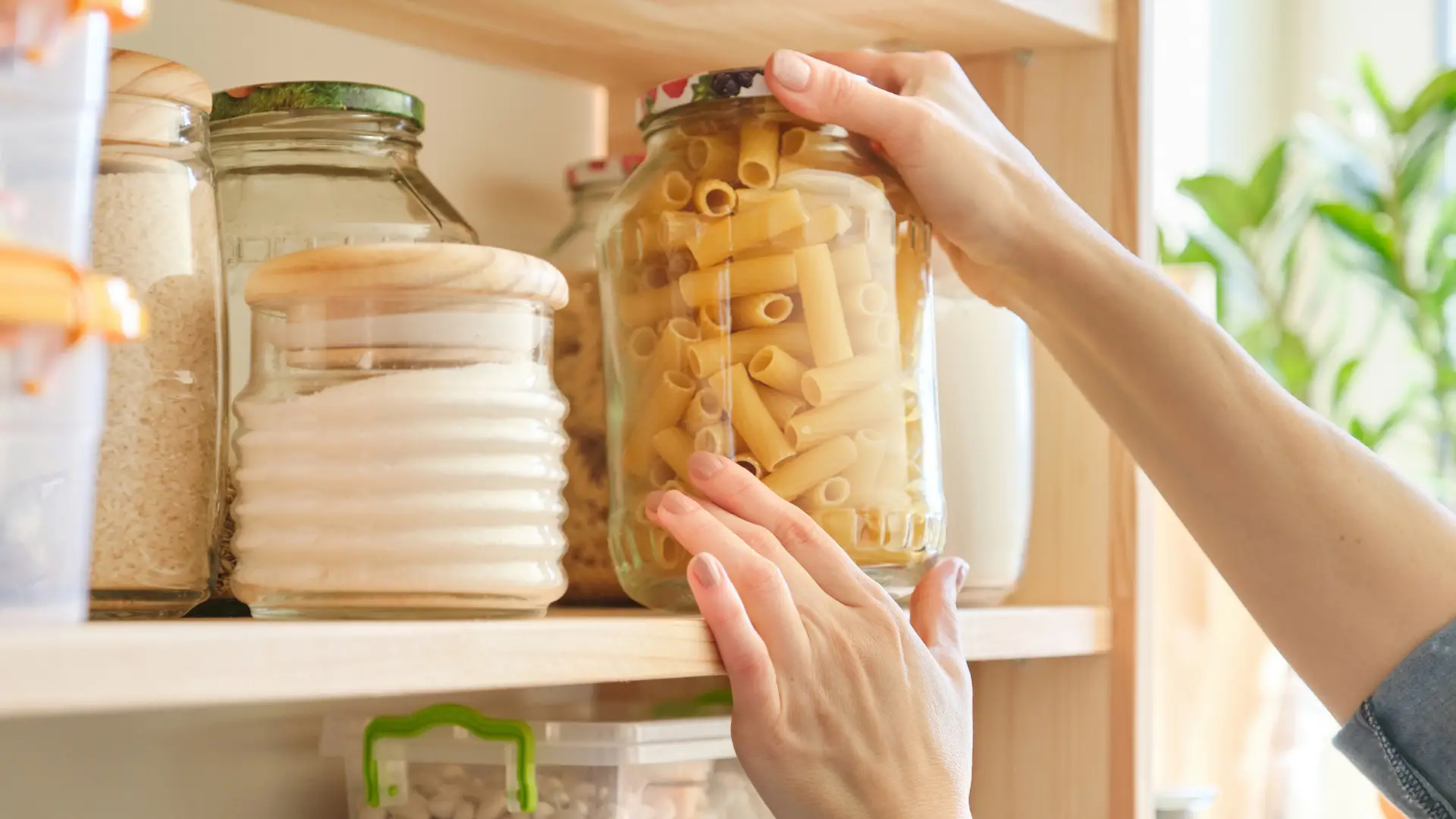

If your pantry feels a little out of control, you’re not alone. One minute it’s fine, and the next you’re digging past half-empty boxes, mystery bags, and items you forgot you even bought. The truth is, an organized pantry isn’t about making everything look perfect—it’s about making life easier. With a few simple tweaks and realistic systems, you can turn your pantry into a space that actually works for you, saves you money, and makes cooking feel a whole lot less stressful. Let’s break it down in a way that’s simple, doable, and easy to keep up with.
Start With a Smart Reset
Empty the pantry completely so you can see the space you’re working with instead of organizing around clutter.
-
Wipe shelves with warm soapy water or vinegar before putting anything back to prevent crumbs and pests.
-
Toss expired food immediately so it doesn’t sneak back onto shelves “just in case.”
Organize by How Often You Use Items
-
Place everyday items at eye level for quick access.
-
Store seasonal or rarely used items on the highest shelves.
-
Keep kid-approved snacks within reach so children can help themselves without rummaging.
Create Pantry Zones That Make Sense
-
Assign each shelf a purpose, such as breakfast foods, snacks, baking supplies, canned goods, or cooking essentials.
-
Keep foods you use together stored together so cooking feels faster and less chaotic.
-
Store heavy items on lower shelves to avoid spills and accidents.
Label for Effortless Maintenance
-
Label containers clearly so everyone in the household knows where things belong.
-
Use simple, easy-to-read labels instead of decorative ones that fade or peel.
-
Add purchase dates to bulk items so you know when to use them up.
Use Containers Strategically
-
Transfer dry goods into airtight containers to keep food fresh and pest-free.
-
Choose square or stackable containers to reduce wasted shelf space.
-
Keep original packaging instructions clipped inside containers for reference.
Unique Pantry Organization Ideas
-
Create a “use-first” bin for items nearing expiration so they don’t get forgotten.
-
Dedicate one shelf to quick meals, such as pasta, sauces, canned beans, and boxed mixes.
-
Store measuring cups and spoons inside your baking bin so everything is ready in one grab.
-
Use slim bins vertically to store tortillas, wraps, or flatbread without folding.
-
Install tension rods to keep tall items upright and prevent bottles from tipping.
-
Turn a lazy Susan into a sauce or oil station for deep shelves.
-
Hang a small clipboard inside the pantry to track grocery items you’re running low on.
-
Use color-coded bins to separate snacks, baking supplies, and breakfast foods.
-
Store spices alphabetically or by cuisine to avoid buying duplicates.
-
Keep pet food, treats, or supplements in a sealed container on the bottom shelf.
Make Small Pantries Feel Bigger
-
Use shelf risers to double vertical storage.
-
Store bulky packaging outside the pantry and keep only refills inside.
-
Limit duplicate items to avoid overcrowding shelves.
-
Keep tall containers toward the back and shorter ones in front for visibility.
GROUP ITEMS TOGETHER
For this method, you want to make sure that you group your items together by placing similar items with one another. For example group all your snacks together in one place and call that area “SNACKS” or group all your dry foods together such as peas, nuts, etc and call it “DRY FOODS”. If you do this you don’t have to worry about you cant finding certain stuff in your pantry.
PLACE DRY FOODS INTO A LABELED CONTAINER
This goes together with the hack I mentioned above. For this, all you need to do is place foods such as peas, nuts, dry snacks, etc in their separate but labeled containers. Make sure the containers aren’t too big but not too small.
OVER THE DOOR RACK
With an over-the-door rack, you can get additional storage without taking up too much space. You can add stuff such as small containers, snacks, etc into one of these over the door rack. You can get one right here.
USE COMMAND HOOKS
Using command hooks allows you to have extra storage. With command hooks, you can place things such as dish towels, pots, and even chips(make sure to make a circular hole where you normally open up the chips so they can fit on the command hook).
Pantry Habits That Keep It Organized
-
Do a five-minute pantry reset once a week.
-
Rotate older food to the front after grocery shopping.
-
Avoid storing non-food clutter in the pantry to maintain purpose.
-
Reassess shelf zones every few months as your cooking habits change.
tHE TAKEAWAY
An organized pantry isn’t about perfection — it’s about creating a system that works for your daily routine. The simpler the setup, the easier it is to maintain long-term.
Comments are closed.