Category

Household Hacks

Category

Some of the best life hacks don’t come from experts, influencers, or expensive products. They come from everyday people experimenting, failing, and stumbling onto surprisingly clever solutions that just work. I’ve learned over the years that when something sounds a little weird, it’s often worth at least understanding why people swear by it.

I used to scroll right past articles like this, assuming they were exaggerated clickbait. But after testing a handful myself — and realizing how many solved problems I didn’t even know I had — I started paying attention. This post pulls together unusual but practical tricks that actually make sense once you understand the logic behind them.

Let’s dive in.

1. The “Yellow Gold” Garden Secret People Don’t Talk About

Gardeners have quietly been using turmeric for decades, not just in the kitchen but in soil. Turmeric contains curcumin, a compound with natural antifungal and antibacterial properties, which can help protect seedlings and roots from common soil diseases.

When lightly mixed into compost or sprinkled around vulnerable plants, it may help reduce mold and root rot issues without harsh chemicals. Some gardeners also mix turmeric with water to create a mild soil drench for plants struggling with fungus.

It’s especially useful for indoor plants where airflow is limited. Turmeric won’t replace proper drainage or sunlight, but it can be a helpful supplement. The key is moderation — too much can stain soil and containers. Used correctly, this “yellow gold” becomes a quiet garden ally.


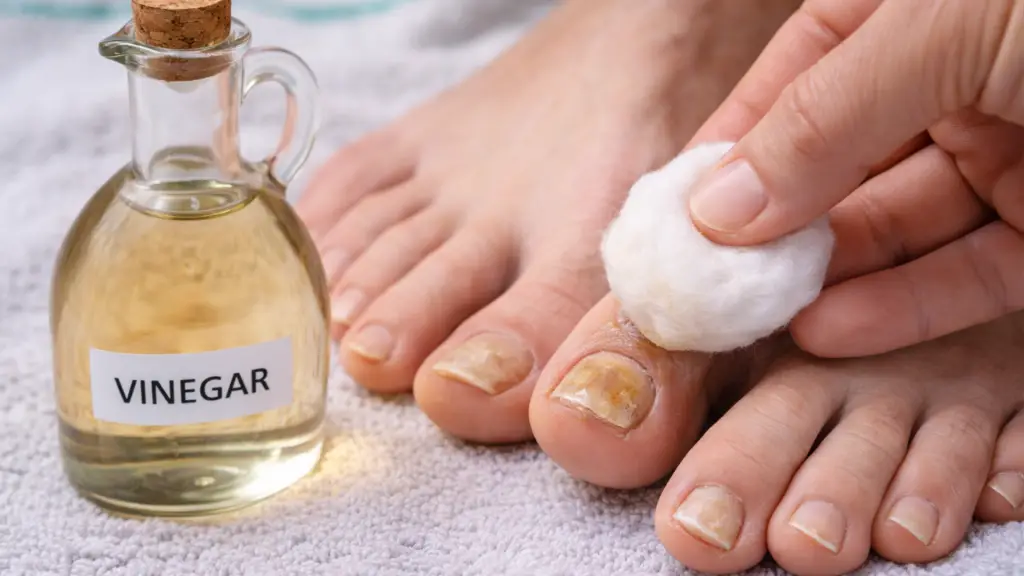
2. The Simple Toenail Fungus Trick People Try Before Bed

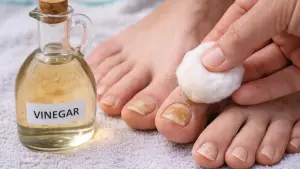
Toenail fungus thrives in warm, damp environments, which is why nighttime treatment can be effective. Many people use diluted vinegar or tea tree oil before bed because both create an environment fungus doesn’t love. Applying it at night gives the treatment hours to work without socks or shoes trapping moisture.

Consistency matters more than strength here — daily application is what shows results. Keeping nails trimmed and dry improves effectiveness dramatically.

This isn’t an overnight fix, but many people see improvement within weeks. It’s affordable, low-risk, and easy to test. For stubborn cases, it works best alongside proper foot hygiene.


3. The 30-Second Turmeric Habit Linked to Weight Support

Turmeric has been studied for its potential role in reducing inflammation, which is often tied to weight gain and insulin resistance. Some people add a pinch of turmeric and black pepper to warm water or tea before meals. Black pepper helps your body absorb curcumin more efficiently.

While this isn’t a magic weight-loss solution, it may support digestion and metabolic health over time. Reducing inflammation can help the body respond better to exercise and nutrition changes.

It’s simple, inexpensive, and easy to maintain. Think of it as support, not replacement, for healthy habits. The real benefit is consistency.


4. Five Smart Ways Empty Bottles Become Free Household Tools

Before tossing bottles, consider how useful they actually are. Plastic bottles can become watering tools by poking holes in the cap. Glass bottles work beautifully as oil dispensers or DIY vases.

Spray bottles can be reused for homemade cleaners. Larger bottles can store bulk items like rice or pet food. Even cut bottles can act as funnels or scoops.

Reusing containers saves money and reduces clutter. Once you start repurposing, you’ll see bottles differently. They’re not trash — they’re tools.

5. The $2 Cloth That Can Reduce Car Scratches


Microfiber cloths are designed to trap dirt instead of dragging it across surfaces. When paired with a proper scratch-removal polish, they can reduce the appearance of light scratches significantly.

The key is using clean, high-quality microfiber, not old rags. Circular motion and gentle pressure prevent further damage. This method works best for surface-level scratches, not deep paint damage.

Many people panic and assume repainting is necessary when it isn’t. This simple approach can save thousands in cosmetic repairs. Patience makes all the difference.

6. Why Heavy Gas Blowers Are Wrecking Your Back

Gas leaf blowers are heavier than most people realize and often force awkward posture. Repeated use strains the lower back and shoulders. Switching to lightweight electric or backpack models redistributes weight more evenly.

Some homeowners even use wide push brooms for small areas with better control and zero vibration. Reducing noise is another unexpected bonus. Ergonomics matter more as we age. Your back will thank you later. Sometimes simpler really is better.

7. How to Whiten Teeth Without Bleach Damage

Bleach-based whiteners can weaken enamel over time. Alternatives like baking soda used sparingly can polish surface stains without harsh chemicals.

Oil pulling with coconut oil may also help reduce plaque buildup. Eating crunchy fruits like apples can naturally scrub teeth. Consistency beats intensity here.

Whitening toothpaste works best when paired with proper brushing technique. Avoid acidic overuse, which erodes enamel. A gentle routine protects your smile long-term.

8. Never Spill Boiling Water Again

Using a ladle or heat-safe measuring cup gives more control than pouring directly from a pot. This is especially helpful for pasta water or blanching vegetables.

Pouring slowly reduces splash risk and burns. Many home cooks swear by pouring through a spout strainer. It’s safer and less stressful. Small changes prevent big accidents. Your hands will notice the difference immediately. Kitchen safety matters.

9. Why Eating Burgers Upside Down Makes Sense

Burger buns are thicker on top for a reason. Flipping the burger lets the sturdier side absorb juices instead of falling apart. It improves structural integrity and bite consistency.

Less mess, more flavor. Chefs have quietly recommended this for years. It sounds odd but works instantly. Once you try it, it’s hard to go back. Sometimes physics wins.

10. How to Actually Maximize Your Microwave

Microwaves heat unevenly due to wave patterns. Placing food in a ring shape allows more even heating. Covering food traps steam, preventing dryness.

Stirring halfway through improves results dramatically. Lower power settings cook more evenly than full blast. Letting food rest allows heat distribution. These small adjustments change everything. Your leftovers deserve better.

11. Three Household Items That Remove Shoe Stains

Baking soda lifts odors and stains. White vinegar breaks down grime. Dish soap cuts grease marks. Used together gently, they clean most shoe materials safely.

Soft brushes prevent damage. Air drying avoids warping. This combo works on canvas, rubber, and synthetic shoes. Always spot test first. Simple ingredients often outperform expensive cleaners.

13. The Binder Clip Trick That Ends Cable Chaos

Binder clips grip cords without slipping. Attaching them to desk edges keeps chargers accessible. They prevent cables from falling behind furniture.

This works for home offices and nightstands. No drilling or adhesives needed. It’s cheap and adjustable. Once organized, you’ll wonder why you waited. Small hacks create big relief.

14. The 60-Second Teeth and Gum Ritual

Gentle gum massage improves circulation. Using a soft toothbrush or clean finger stimulates tissue. This can reduce inflammation over time.

Pairing it with proper flossing supports oral health. It takes one minute daily. Many dentists recommend it quietly. Healthy gums support healthy teeth. Simple habits compound.

15. Why Restaurants Hang Bags of Pennies Outside

Pennies reflect light and movement, which deters flies. The water magnifies the effect. It’s an old-school insect control trick. No chemicals required.

It’s inexpensive and easy to maintain. Many outdoor eateries still rely on it. It looks strange but works surprisingly well. Sometimes tradition sticks for a reason.

16. The Real Benefits of Cinnamon People Overlook

Cinnamon may help regulate blood sugar when used consistently. It also has antimicrobial properties. Adding it to oatmeal or coffee is easy.

It’s not a cure, but it supports metabolic health. Quality matters — Ceylon cinnamon is preferred. Moderation is key. It’s a spice with benefits beyond flavor. Food can be functional.

17. The 5-Second Bedtime Routine for Tired Skin

Cold spoons or chilled eye rollers reduce puffiness by constricting blood vessels. This can temporarily minimize eye bags. It also feels incredibly soothing.

Many dermatologists recommend cold therapy. It takes seconds but delivers visible results. No products required. Consistency enhances effect. Beauty doesn’t have to be complicated.

18. Why Keep a Bread Clip in Your Wallet

Bread clips can organize keys, label cords, or act as makeshift stands. Travelers use them to mark luggage zippers. They’re lightweight and versatile.

In emergencies, they solve small problems fast. It’s a tiny tool with surprising utility. You’ll find uses everywhere. Sometimes the simplest items are the most useful.

19. How to Avoid Scraping Ice Off Mirrors

Covering mirrors with plastic or cardboard prevents frost buildup. This saves time and avoids scratches. Even a towel works overnight.

Preparation beats frustration. Your mirrors stay clear. Winter mornings become easier. Small habits reduce daily stress. Think ahead once, benefit all season.

20. Why Mustard Doesn’t Belong in the Fridge

Mustard contains vinegar and salt, natural preservatives. Refrigeration isn’t necessary for safety. Cold temperatures can dull flavor.

Pantry storage keeps it tasting better. Always check labels for exceptions. This applies to many condiments. Not everything needs chilling. Taste matters.

21. Why Foil-Wrapped Car Keys Are Trending

Aluminum foil blocks RFID signals. This prevents keyless car theft attempts. Wrapping keys overnight adds a security layer. It’s inexpensive and easy.

Many people now use signal-blocking pouches. Prevention beats replacement. Technology has loopholes. Awareness is power.

22. Why Eggshells and Orange Peels Are Valuable


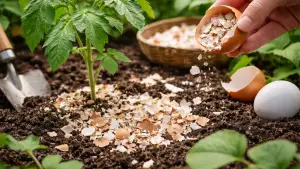
Eggshells add calcium to soil. Orange peels repel pests and add scent. Both compost beautifully. They reduce waste and improve gardens.

Citrus oils deter insects naturally. Crushed shells improve drainage. Nothing goes to waste. Nature recycles best.

Final Thoughts

Life hacks don’t need to be dramatic or expensive to make a real difference. Often, the most effective solutions are hiding in plain sight — waiting for someone curious enough to try them. When you understand the why behind a trick, it becomes more than a gimmick; it becomes useful knowledge.

Try a few that fit your life. Keep what works. Ditch what doesn’t. And remember — sometimes the weirdest ideas turn out to be the smartest ones.


If you’ve ever loved plants but hated the responsibility that comes with them, welcome — succulents are your people. A succulent garden is perfect for anyone who forgets to water, travels often, or simply doesn’t want their plants to act dramatic when life gets busy. These hardy little plants are built to survive neglect, and with the right setup, they don’t just survive — they thrive. The secret isn’t constant care. It’s smart planning from the start.
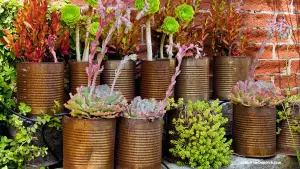

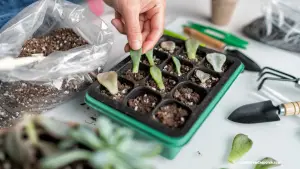
Here  is how to grow a succulent garden that Survives on neglect.

What Are Succulents?

Succulents are plants that store water in their leaves, stems, or roots. That’s why they have thick, fleshy leaves and a slightly waxy look. This built-in water storage allows them to go long periods without watering, making them ideal for low-maintenance gardens. Aloe, echeveria, jade, haworthia, and sedum are all popular succulent varieties that do well in both pots and outdoor gardens.

How to Create a Succulent Garden

Creating a succulent garden starts with choosing a location that gets plenty of light and drains well. Succulents love bright light, especially morning sun, but they don’t need constant attention. Whether you’re planting in containers, raised beds, or directly in the ground, the goal is to give them a dry, breathable environment where water doesn’t linger around the roots.

Prepping the Soil

Soil is where most people go wrong with succulents. Regular garden soil holds too much moisture, which can cause rot. Use a cactus or succulent soil mix, or make your own by combining potting soil with coarse sand and perlite. The soil should feel loose and gritty, not heavy or compact. This allows excess water to drain quickly and keeps roots healthy.

The Right Pot for Succulents

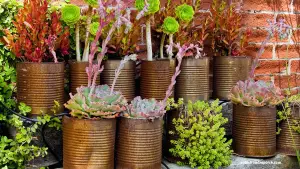
If you’re using containers, drainage holes are non-negotiable. Terracotta pots are especially great because they absorb excess moisture and help prevent soggy roots. Avoid deep pots unless the succulent has a large root system. Shallow, wide containers work best and allow you to create a visually appealing arrangement while keeping water levels under control.

Make a Designed Plan for Your Garden

Before planting, lay out your succulents to see how they’ll look together. Mix different shapes, sizes, and colors for visual interest. Taller succulents can go in the back or center, while trailing varieties work beautifully along edges. Planning ahead helps prevent overcrowding and ensures each plant gets enough airflow and light.

Choose the Right Type of Succulent

Not all succulents like the same conditions. Some prefer bright direct sun, while others do better in partial shade. If your garden gets intense sunlight, choose sun-loving types like agave or sedum. For indoor or shaded areas, haworthia and snake plants are more forgiving. Group succulents with similar light and water needs to keep care simple.

Watering Succulents

Succulents prefer deep but infrequent watering. Water thoroughly until it drains out the bottom, then leave the soil completely dry before watering again. Overwatering is far more harmful than underwatering. In most cases, watering every 2–3 weeks is plenty, and even less during cooler months.

 Here is a full guide on the correct way to water succulents without drowning them.

How to Know If Your Succulent Garden Is Healthy and Happy

A healthy succulent garden looks firm, upright, and vibrant. Leaves should feel plump, not mushy or shriveled. Growth may be slow, but that’s normal — succulents take their time. New leaves forming at the center and subtle color changes are signs your plants are settling in and adapting well.

If your succulents start stretching or leaning toward the light, that’s a sign they need brighter conditions. Yellowing leaves or soggy stems usually point to overwatering. The beauty of a succulent garden is that it communicates clearly — once you know what to look for, small adjustments go a long way.

The best sign of success? When weeks go by, you realize you haven’t done much at all — and your garden still looks amazing. That’s when you know you’ve built a succulent garden that truly thrives on neglect.

Conclusion

A succulent garden proves that you don’t have to hover over plants for them to flourish. With the right soil, proper drainage, thoughtful placement, and a light hand with watering, succulents are perfectly content being left alone. In fact, the less you fuss, the better they tend to look. Their slow growth, sturdy leaves, and natural resilience make them one of the easiest ways to enjoy greenery without the stress.

Once your succulent garden is set up correctly, it becomes a quiet reminder that low effort doesn’t mean low reward. By paying attention to simple signs of health and letting nature do its thing, you’ll have a beautiful, thriving garden that fits effortlessly into real life — even on your busiest, most forgetful days.

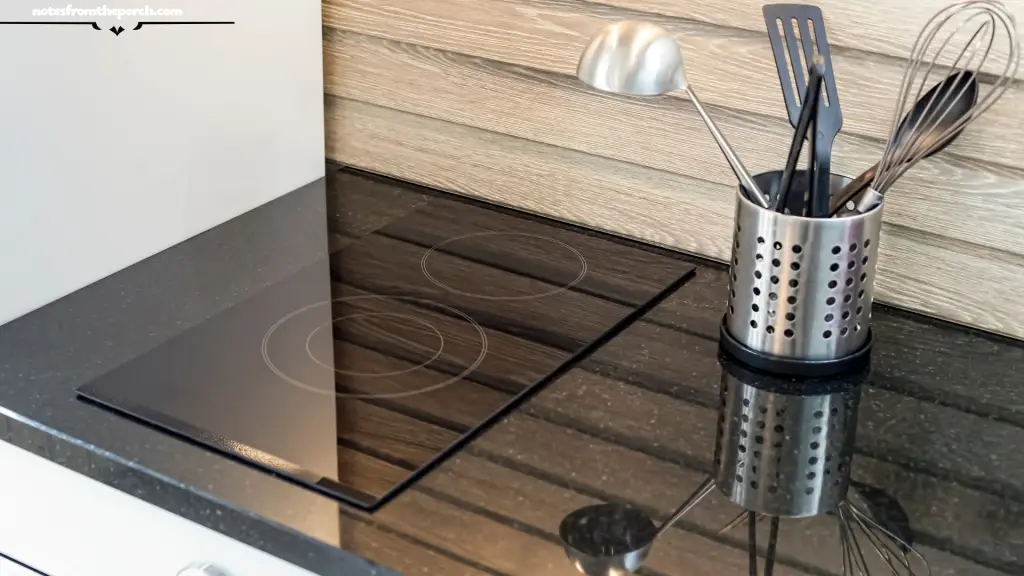
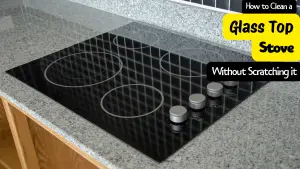
I have always used electric stoves with grates and burners but, I recently  moved into my new home that have a glass top stove. This made me wondered, how on earth do I clean a glass top stove without scratching it. However, I figured it out so, if you are in the same situation here is how to clean it.
So, how do you clean a glass top stove? its quiet simple, below I have shared four different ways to clean a glass top stove. Actually, these stove even easier to clean than a stove with grates and burners. Continue reading for the instructions.


What are the Best Cleaners for a Glass Top Stove?

1. Vinegar.

2. Dawn dish soap

3. Warm Water

The best cleaners for a glass top stove is distilled vinegar, Dawn dish soap  and warm water. And, for scrubbing, you can use a mild scrubber like a ScotchBrite or a sponge.

The vinegar is acidic so it loosens burnt food fast and Dawn dish soap get rid of grease easily. Warm water is also a grease cutter and when combined with these two will work miracles.

How to Clean a Glass Top Stove without Scratching it


Cleaning with Vinegar:

Instructions:

In a spray bottle combine a mixture of  2 cups water and 1 cup vinegar. Next, mist the stove top and allow to sit for a minute or two. Take a  gentle scrubber and scrub the areas that has burnt food or spills. Next, wipe off the loose residue with a clean damp kitchen cloth or paper towel.

Now that the burnt food is gone, dab a bit of Dawn dish soap on a sponge and clean the top. Finish by using a clean damp cloth to wipe the top until its completely clean.

To  make your glass top stove look brand new simply buff the top with a soft dry cloth until it glows. This will remove streaks and smudges. Avoid using any store bought chemical to shine the stove top as some of these are flammable.

And that is how to clean a glass top stove without baking soda. But, if you want to try the baking soda method move on to the next tip .


How to Clean a Glass Top Stove with Baking Soda

To do this you’ll sprinkle the baking soda over the top of the stove. Next, using a wet sponge wipe the top for 1-2 minutes. Move on to wiping off the baking soda residue with a damp cloth then dry with another. Keep in mind that cleaning your glass top stove with baking soda may take more time.

The reason for this is baking soda is a dust which can get into areas it shouldn’t go. You will have to triple wipe with a damp cloth to make sure there are no white marks left behind.

How Do You Clean Burn Rings off a Glass Top Stove?

I noticed this question is being asked a lot. Burn rings happen when food spill near are around the burner. If not wipe away immediately it will leave a burn ring that looks impossible to clean. Well, its not.

Instructions:

Simply our or mist the burn ring with warm water and distilled vinegar. Next, scrub with a soft Scotch Brite then wipe clean with a damp cloth.


Don’ts

1. Never use a knife to scrape away food particles

2. Don’t use a steel wool to scrub

3. Clean immediately after using

4. Beware of flammable cleaners


My favorite Method:

Obviously its the first method, vinegar, Dawn dish soap and  warm water. Its quick and effective and it makes cleaning the stove super easy.


Final Thoughts:

I love my glass top stove and, cleaning it makes me love it even more because its so easy to maintain. I will never go back to using a stove with grates and burners . These cleaning tips has clearly shown you how to clean a glass top stove with scratching it. They were as easy as 1,2,3.

Hope you have an amazing time cleaning and caring for your glass top stove.


In this article, I will show you how to clean black mold in the shower.

What causes black mold to develop in the shower?

The two main things that cause black mold to grow in your shower and the rest of your bathroom are heat and moisture. Every day or night when we use our showers we constantly expose them to both of these things. But this doesn’t mean that black mold will automatically grow in your shower. If you clean your shower and bathroom very often and wipe away the excess moisture in certain places then you won’t have to worry about black mold growing.


Is black mold dangerous?

While black mold isn’t any less or more dangerous than regular mold, it still can cause serious allergic symptoms if exposed to high amounts or if you are a person with allergies. So while black mold might not be incredibly dangerous it is still recommended that you get rid of them.


Is it safe to do it by myself?

The answer to this is yes but it is best to wear a protective outfit when cleaning the mold. This means you should wear gloves, long sleeves, and a face mask.


How to remove black mold from shower

Now I will show you how to remove black mold from your shower using some simple yet effective methods. This shower grout cleaning paste is amazing!


How to remove black mold from shower walls/tiles

Use dish soap:

Some people might think this is weird but dish soap is great for cleaning a lot of things. For this, all you have to do is to get a cleaning brush and dip the bristles under warm running water. Then squeeze a few drops of dish soap onto it and use it to scrub away the black mold. Keep scrubbing until the mold starts to disappear.


Baking soda and vinegar mixture

I’ve always said that these two make the perfect cleaner. To clean away mold with baking soda and vinegar you first need to mix them together in a bowl and dip a cleaning rag inside of the mixture and use it to scrub away the mold from the shower tiles. When cleaning your shower tiles make sure to scrub in between them because this is where most of the mold is grown. After cleaning them with the baking soda and vinegar mixture be sure to rinse off the wall and use a dry cloth to wipe away the excess moisture.

Also great for cleaning soap scum in the shower.


Using Bleach

When using bleach to clean anything it is always best to wear a facemask, gloves, and maybe protective eyewear but since you are already wearing these things, using bleach shouldn’t be an issue. When cleaning mold with bleach you need to pour some of the bleach onto a cleaning cloth and add around 1 drop of dish soap onto it. Then use the cloth to scrub the black mold away. The bleach should make this process way easier as it is great for getting rid of tough stains.

When you are finished cleaning your shower and the rest of your bathroom with bleach make sure to leave the door open so that the bleach odor can go away faster. This is important to do because bleach odor is usually very harsh .


How to remove black mold from shower floor

Above I talked about how to remove black mold from shower tiles/ walls but now I will show you how to remove it from the ground.

I will also show you how to clean your shower floors without bending/kneeling.


Things you’ll need:

  • Bleach
  • Spare broom or mop
  • Vinegar
  • Baking soda
  • lemons


 Bleach method

This method is going to be somewhat different from the one I’ve mentioned above. For this what you want to do is pour the bleach onto the shower floor and squeeze a few drops of dish soap onto it. Then use a mop or a spare broom to wipe/scrub the mold away. This should be easy as you don’t have to bend and hurt your back.


Baking soda and lemons

This method does involve you bending down but by doing this you won’t have to worry about cleaning away the mold for a very long time. So all you need to do is…

Instructions:

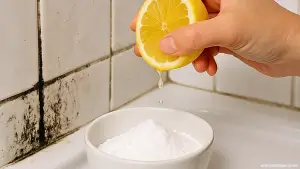
cut a lemon into two and sprinkle baking soda all over the shower floor (make sure the floor is wet) and use the lemon slice to scrub away the mold.

The reason why using lemons for this method works is that lemons contain a lot of citrus acids that are good for breaking down tough stains and other things such as mold.

After scrubbing the floor make sure to rinse away the baking soda residue.


How to clean black mold on bathroom ceiling

To remove black mold from your bathroom/shower ceiling you need to make a homemade black mold cleaner first. To make this homemade cleaner spray you need the following:


Things you need:

  • 1-2 cups of Vinegar
  • 1/2 cup of Lemon juice
  • 2-3 tablespoons of dish soap
  • Spray bottle

Mix these together into a spray bottle and spray the ceiling. Now use a cleaning brush to scrub the ceiling until the mold disappears.


How to prevent black mold from growing inside your shower/bathroom

To prevent black mold from growing inside your bathroom and shower, you need to clean and wipe away any moisture regularly. This means you should clean your bathroom shower very often and wipe away any spills or moisture. This is because mold usually grows where there is a lot of heat and moisture. Another thing to do is to leave the bathroom door open after taking a hot shower.


Final Thoughts:

Black mold in the shower isn’t just an eyesore — it’s a sign of trapped moisture that can quickly turn into a recurring problem if ignored. This guide makes it clear that effective removal doesn’t require expensive products or professional services. With the right safety precautions and simple household ingredients like baking soda, vinegar, dish soap, or bleach, you can tackle mold at its source and restore your shower safely. Most importantly, long-term prevention comes down to keeping the space dry, well-ventilated, and routinely maintained. When you combine consistent cleaning with good airflow, you don’t just remove black mold — you stop it from coming back.


White washcloths are the unsung heroes of our daily routines — from wiping faces to cleaning up spills. But over time, they start to look dingy, feel rough, and sometimes develop that musty smell we all dread. The good news? With a few simple tricks and natural ingredients, you can restore your washcloths to their original fresh, fluffy glory.

Let’s dive into how to properly wash white washcloths, why it matters, and the best products to keep them clean and soft.

Why It’s Important to Wash White Washcloths Regularly

Washcloths come in contact with everything — soap residue, makeup, dead skin cells, and even bacteria. When not washed properly, they can harbor germs that lead to odors and skin irritation.

Washing them the right way not only keeps your bathroom smelling clean but also helps your skin stay clear and healthy. Plus, taking care of your washcloths means they’ll last much longer (and save you money in the long run).

Step 1: Soak Before You Wash

If your white washcloths look dull or smell funky, start by soaking them before washing. This loosens grime and kills bacteria that regular washing might miss.

How to Soak:

  1. Fill a bucket or sink with hot water (the hotter, the better).

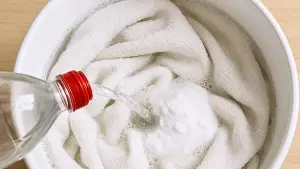
  2. Add ½ cup of baking soda and ½ cup of white vinegar.

  3. Stir and submerge the washcloths for at least 30 minutes (or overnight for stubborn stains).

  4. Rinse well before adding them to your washing machine.

This pre-soak naturally breaks down oils, deodorizes, and lifts discoloration — no harsh bleach needed!

How to Wash White Washcloths Directly in the Washer

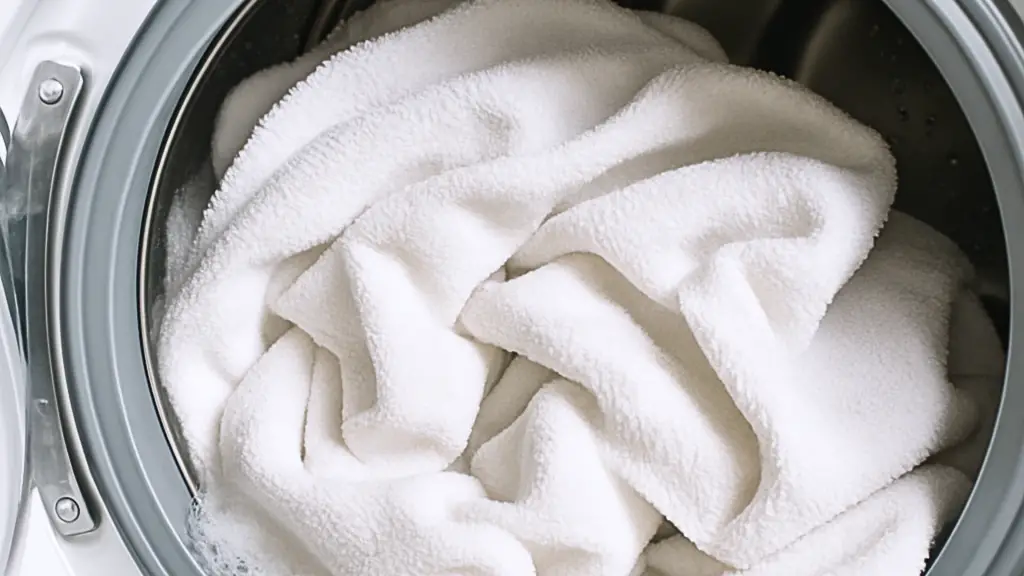
If you don’t have time to soak your washcloths or don’t want to use a bucket, no worries — your washing machine can handle the job just fine. Toss the white washcloths into the washer by themselves or with other white towels. Add your favorite detergent, then pour ½ cup of baking soda directly into the drum to boost cleaning power and remove odors. Next, add ½ cup of white vinegar to the fabric softener compartment — this will help dissolve residue, brighten whites, and naturally soften the fabric. Run a hot water cycle, as heat helps lift oils and kill bacteria. Once the cycle finishes, give your washcloths a good shake before drying so they stay fluffy and fresh.

Step 2: The Right Way to Wash White Washcloths

For best results, wash your white washcloths separately from colored laundry to prevent dye transfer. Use hot water for a deep clean, especially if the washcloths are heavily soiled or used for face washing.

Here’s what to do:

  • Detergent: Choose a strong yet gentle detergent that’s free of dyes and optical brighteners. Brands like Tide Hygienic Clean, Arm & Hammer Clean Burst, or Seventh Generation Free & Clear are great choices.

  • Add Boosters: For extra whitening power, sprinkle in ½ cup of baking soda to neutralize odors and keep them soft.

  • Add Vinegar (Optional): Pour ½ cup of white vinegar into the fabric softener compartment to naturally soften fibers and remove any detergent residue.


Step 3: Skip the Fabric Softener

Fabric softener might make towels feel nice at first, but it leaves a waxy coating that traps dirt and reduces absorbency. Instead, use white vinegar as a natural alternative. It softens fibers, kills bacteria, and leaves no residue behind.

Step 4: Dry the Right Way

After washing, shake out the washcloths before drying to keep them fluffy. Use the low or medium heat setting on your dryer — high heat can weaken cotton fibers over time.

If you prefer line-drying, hang them in direct sunlight. The sun’s UV rays naturally bleach and disinfect fabrics, giving you that crisp, fresh-air scent.

Bonus Tips to Keep White Washcloths Bright

  • Use Hydrogen Peroxide: Add ½ cup to your white load occasionally — it brightens fabrics without damaging fibers like bleach does.

  • Avoid Overloading the Washer: Give your washcloths room to move around so they get fully cleaned and rinsed.

  • Replace Old Washcloths: If they start to feel rough or smell even after washing, it might be time for new ones (usually every 3-6 months).


Pro Tip: Deep Clean Once a Month

Once a month, give your white washcloths a “reset wash.”

  1. Run them through a hot wash cycle with 1 cup of white vinegar (no detergent).

  2. Then, wash again with ½ cup of baking soda and your regular detergent.
    This two-step process eliminates buildup, kills bacteria, and keeps your whites truly white.


Final Thoughts

Knowing how to wash white washcloths properly is more than a cleaning habit — it’s about hygiene, comfort, and getting the most out of your laundry. With simple ingredients like baking soda and vinegar, and by skipping harsh chemicals and softeners, you’ll keep your washcloths bright, fresh, and ready for everyday use.


Red wine spills happen in seconds — and the stains they leave behind can feel permanent. But don’t panic! With the right steps, you can remove even tough, dried-on red wine marks without ruining your favorite outfit.
This guide walks you through exactly how to lift red wine stains from different types of fabric using simple household ingredients.


Why Red Wine Stains Are So Stubborn

Red wine contains natural dyes called anthocyanins, which are highly pigmented and bind quickly to fabric fibers — especially cotton, linen, and silk. The longer they sit, the deeper they penetrate, making them harder to remove.
That’s why acting fast (or rehydrating the stain if it’s old) makes all the difference.

 Step-by-Step: How to Remove a Fresh Red Wine Stain

1. Blot, Don’t Rub

As soon as the spill happens, grab a clean white cloth or paper towel. Blot the area gently to soak up as much liquid as possible.
👉 Rubbing spreads the stain deeper — resist the urge!

2. Apply Cold Water or Club Soda

Pour cold water or club soda directly onto the stain. The bubbles in club soda can help lift pigments from fabric fibers. Keep blotting with a clean towel.

3. Use Salt or Baking Soda

While the area is still wet, sprinkle salt or baking soda over the stain. These absorb moisture and pigment. Let it sit for about 10–15 minutes, then rinse with cold water.

4. Treat with Dish Soap and Hydrogen Peroxide

For light or white fabrics, mix:

  • 1 part dish soap

  • 2 parts hydrogen peroxide

Apply to the stain and let it sit for 15–30 minutes, then rinse and wash as usual.
⚠️ Test first on colored fabrics to avoid bleaching.

5. Wash in Cold Water

Finally, launder the garment in cold water using your regular detergent. Avoid hot water — it can set the stain permanently.

How to Remove Dried Red Wine Stains

If the stain has already dried, don’t worry — here’s how to tackle it.

1. Soak in Cold Water + White Vinegar

Soak the stained area in a mixture of:

  • 1 cup cold water

  • 1 cup white vinegar

Let it soak for 30–60 minutes to loosen the pigment.

2. Apply a Paste of Baking Soda and Water

Create a paste with 3 parts baking soda and 1 part water, apply it to the area, and let it sit for 30 minutes. Gently scrub and rinse.

3. Rewash with OxiClean or Enzyme Detergent

For lingering stains, soak the item in an OxiClean or enzyme-based detergent solution overnight. These break down organic pigments effectively.

🔹 Fabric-Specific Tips

👕 Cotton & Polyester

  • Safe for hydrogen peroxide, vinegar, and dish soap solutions.

  • Always rinse thoroughly before drying.

👗 Silk & Wool

  • Use a gentle white wine or club soda rinse instead of hydrogen peroxide.

  • Blot gently and air dry — never rub.

👖 Denim

  • Soak in cold water with white vinegar before washing.

  • Avoid bleach, which can discolor denim.


Natural Alternatives (Eco-Friendly Options)

If you prefer natural cleaning methods:

  • Lemon juice + salt can help lighten wine stains on white fabrics.

  • White wine can neutralize red pigments (yes, really!).

  • Hydrogen peroxide + baking soda is an effective natural combo.

❌ Common Mistakes to Avoid

  • Don’t use hot water — it sets the stain.

  • Don’t put stained clothing in the dryer until the stain is completely gone.

  • Avoid colored cloths when blotting — dye transfer can make it worse.

✅ Quick SummarY:

Step Action Product
1 Blot stain gently White towel
2 Pour cold water/club soda Club soda
3 Sprinkle to absorb Salt or baking soda
4 Treat Hydrogen peroxide + dish soap
5 Launder Cold water wash


 Finbatch_processed_images – 2025-10-14T055254.088 al Thoughts

Red wine stains might seem impossible, but with a calm approach and the right products, you can completely erase them — even hours later. The key is to act quickly, use cold solutions, and avoid heat until the stain disappears.

Next time a spill happens, you’ll know exactly what to do — and your favorite shirt will live to see another dinner party.

When most people think of the Amish, they picture horse-drawn buggies, tidy white farmhouses, and women in bonnets working peacefully in the kitchen. But behind that simple way of life lies a world of wisdom — practical, sustainable, and surprisingly modern in its effectiveness.

The Amish have mastered the art of living well with less. They know how to stretch what they have, keep their homes spotless without chemicals, and make every corner functional and beautiful.

And the best part? You can bring that same sense of order, peace, and purpose into your own home — no matter where you live.

Here are 30 everyday Amish living hacks you can start using today — simple, natural, and timeless tricks that make home life calmer, cleaner, and more meaningful.

Amish Cleaning Hacks

1. Clean as You Go

Amish homes are never chaotic because cleaning isn’t a weekend event — it’s a daily rhythm. They wipe down counters after every meal, sweep floors at the end of each day, and tidy as they go. This keeps their homes peaceful and clutter-free without marathon cleaning days.

2. Vinegar: The Amish All-Purpose Cleaner

Amish families use white vinegar for everything — floors, windows, sinks, and bathrooms. Mix equal parts vinegar and water in a spray bottle for a streak-free, chemical-free cleaner that truly works.

3. Baking Soda for Scouring

Forget fancy scrubs — Amish homemakers rely on baking soda to clean sinks, stoves, and tubs. It’s gentle, natural, and lifts dirt with minimal effort.

4. Homemade Air Fresheners

Instead of artificial sprays, Amish families simmer water with orange peels, cinnamon sticks, and cloves on the stove. The result? A home that smells cozy and inviting — naturally.

5. Flour for Polishing Stainless Steel

Yes, flour! Sprinkle a bit on a dry cloth and buff your sink or appliances. The Amish use this trick to make steel shine without chemicals.

Amish Laundry and Fabric Hacks

6. Sun-Dried Laundry

Amish homes don’t need fabric softeners. Their secret? Sunlight. Hanging laundry outdoors not only saves energy but also gives clothes a clean, crisp scent you can’t bottle.

7. Vinegar Softener Substitute

Add a cup of white vinegar to your final rinse cycle to soften clothes and remove detergent buildup — the Amish way.

8. Reusing Fabric Scraps

No fabric goes to waste in an Amish home. Scraps are turned into quilts, cleaning rags, or braided rugs. It’s sustainability at its finest — and every piece tells a story.

9. Homemade Stain Remover

Mix baking soda, vinegar, and a little dish soap to make a paste that removes stains from fabric naturally — no harsh chemicals, just old-fashioned effectiveness.

10. Seasonal Laundry Routine

Amish families follow a routine — Monday is wash day, Tuesday is ironing, and so on. Sticking to a rhythm makes chores feel lighter and keeps chaos out of the home.

Amish Organization and Home Order

11. The “One In, One Out” Rule

If something new comes into the home, something old goes out. This keeps clutter away and teaches appreciation for what you already own.

12. Everything Has a Place

You’ll never find piles of random items in an Amish kitchen. Every pot, jar, and tool has a home. Adopt this system, and tidying up becomes second nature.

13. Amish Pantry Organization

Their pantries are a thing of beauty — rows of glass jars filled with grains, beans, and preserves. Label your jars, use baskets for categories, and keep everything visible and functional.

14. Keep Surfaces Clear

The Amish love simplicity. Fewer items on tables and counters mean less to clean and more visual calm. Try keeping just one decorative item per surface — it makes a difference.

15. Routine Over Rush

Their daily routines are slow but consistent. Schedule cleaning, cooking, and rest into your day — structure brings peace and productivity.

Amish Kitchen Wisdom

16. Cook from Scratch

Amish cooking revolves around simple ingredients — flour, butter, sugar, eggs, and love. Start baking bread or making soups at home. It’s cheaper, healthier, and deeply satisfying.

17. Save and Reuse Cooking Water

Water used to boil potatoes or pasta is often saved for soups or to water plants — waste nothing!

18. Homemade Seasoning Mixes

The Amish make their own seasoning blends using salt, herbs, and dried vegetables. Store-bought seasoning packets? Not needed.

19. Glass Jars for Everything

Instead of plastic, they store everything in glass jars — flour, rice, herbs, and dried fruit. It looks beautiful and keeps food fresh longer.

20. Preserve the Season

Canning and preserving are core to Amish life. Even if you don’t have a garden, you can pickle vegetables or make jam from store-bought produce — it’s satisfying and reduces waste.

Amish Natural Living and Wellness

21. Use Herbs for Healing

Many Amish families grow small herb gardens filled with mint, chamomile, and lavender. They brew teas to calm nerves, ease headaches, or settle the stomach naturally.

22. Natural Pest Control

They rely on plants and pantry staples to repel pests — peppermint oil for ants, lemon for fruit flies, and vinegar for gnats. No toxic sprays needed.

23. Bring the Outdoors In

Amish homes are full of fresh flowers, greenery, and open windows. Nature keeps the air clean and the spirit calm. Try keeping herbs or potted plants by your kitchen window.

24. Seasonal Cleaning Routines

Each season brings a new rhythm — spring is for decluttering, summer for preserving, fall for deep cleaning, and winter for rest. Living in tune with the seasons brings balance to the home.

25. Homemade Soaps and Cleaners

Many Amish make soap from lard, ash, and lye — but you can simplify this by using Castile soap. Mix with water, vinegar, and essential oils for your own gentle cleaner.

Amish Lifestyle and Mindset Hacks

26. Live by the “Use It Up” Philosophy

The Amish live by this golden rule: “Use it up, wear it out, make it do, or do without.” Before you buy something new, ask yourself if you can repair, repurpose, or live without it.

27. Quiet Mornings, Productive Days

They begin the day in silence or prayer — no rushing, no phones. Try starting your morning quietly — make coffee, light a candle, or take a moment of gratitude before diving into the day.

28. Handcrafted Simplicity

They craft what they can — whether it’s sewing curtains, building furniture, or making gifts. Creating things by hand adds meaning and reduces dependency on mass-produced items.

29. Waste Nothing, Value Everything

From using rainwater for gardens to saving bread crusts for chickens, Amish homes function with almost zero waste. Start small — reuse jars, compost scraps, and buy less.

30. Gratitude in Daily Work

The biggest Amish hack of all? Gratitude. Every task — whether it’s scrubbing a floor or baking bread — is done with thankfulness. It transforms chores into purpose and turns a house into a true home.

Conclusion: 

The Amish lifestyle isn’t about giving things up — it’s about gaining peace, purpose, and appreciation for what truly matters. Their ways remind us that a happy home isn’t measured by how much we own, but by how well we care for what we have.

You don’t need to live off the grid to live like the Amish. Start small — open your windows, bake something from scratch, or switch to natural cleaners. Soon, you’ll notice your home feels calmer, fresher, and more meaningful.

Because sometimes, the old ways really are the best ways.

Dirty grout can make even the cleanest bathroom look dingy and neglected. Over time, soap scum, hard water, and mildew cling to grout lines, turning them dark and stained. While store-bought grout cleaners can be effective, they often contain harsh chemicals that aren’t great for your health or your wallet. The good news? You can clean shower grout naturally and effectively with two simple ingredients you probably already have in your kitchen: vinegar and baking soda.

This step-by-step guide will show you exactly how to clean shower grout with vinegar and baking soda, along with tips to keep grout looking fresh and mold-free longer.

Why Vinegar and Baking Soda Work So Well on Grout

When it comes to grout cleaning, vinegar and baking soda are a powerhouse duo.

  • Vinegar is acidic, which means it naturally breaks down mineral deposits, soap scum, and mildew stains. It’s also antibacterial, so it helps kill the germs hiding in grout pores.

  • Baking soda is a mild abrasive, making it perfect for scrubbing away grime without scratching tiles. It also neutralizes odors and brightens surfaces.

When combined, vinegar and baking soda create a fizzing reaction that helps lift dirt and grime out of grout lines, making it easier to scrub away buildup.

If you are looking for a natural grout cleaner vinegar and baking soda is the eco-friendly way to clean shower grout.

How to Clean Shower Grout with Vinegar and Baking Soda:


Step 1: Gather Your Supplies

Before you start cleaning, gather the tools and ingredients you’ll need:

  • Baking soda

  • White vinegar

  • Spray bottle

  • Bowl for mixing paste

  • Old toothbrush or grout brush

  • Microfiber cloth or sponge

  • Warm water

That’s it! No harsh chemicals, no expensive products—just basic household items.

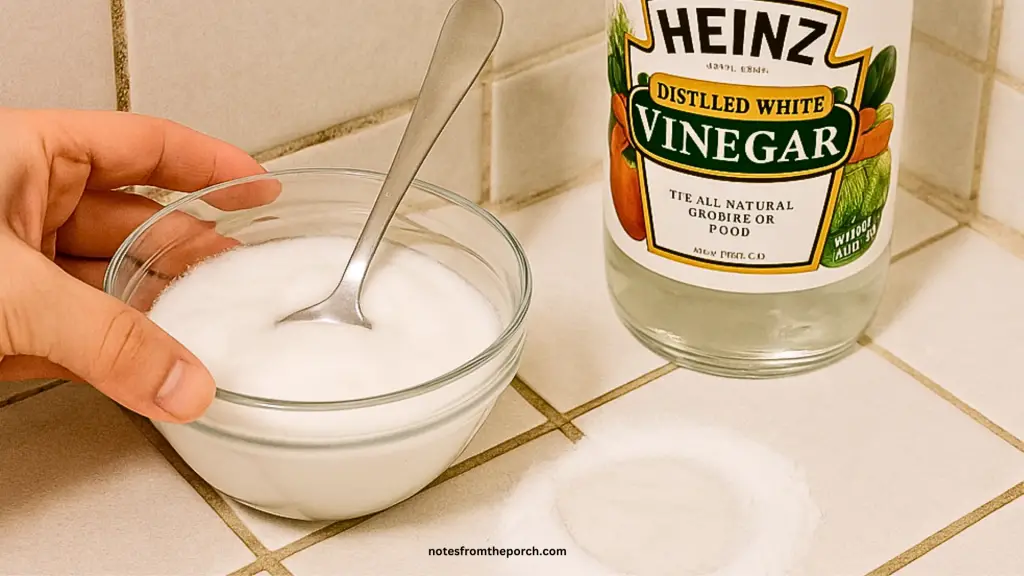
Step 2: Make a Baking Soda Paste

The first step is to create a thick paste using baking soda and water.

  1. Mix 3 tablespoons of baking soda with just enough water to form a paste.

  2. Apply the paste generously to your grout lines, focusing on stained or moldy areas.

  3. Use your toothbrush to spread the paste evenly along the grout.

This simple  DIY baking soda paste for shower grout cleaning paste helps loosen stains and deodorize grout before adding vinegar.

Step 3: Spray Vinegar onto the Grout

Next, fill a spray bottle with equal parts white vinegar and warm water.

  1. Spray the vinegar solution directly onto the grout covered with baking soda paste.

  2. You’ll notice fizzing and bubbling—this is the chemical reaction that helps lift dirt from the grout.

  3. Let the mixture sit for 10–15 minutes to give it time to break down grime and mildew.

This natural reaction does most of the hard work for you.

  So, if your  trying to figure out how to clean grout with vinegar spray, this natural solution does most of the hard work for you.

Step 4: Scrub the Grout Lines

After letting the mixture sit, it’s time to scrub.

  • Use your old toothbrush or grout brush to scrub the grout in small, circular motions.

  • For stubborn spots, dip the toothbrush directly into vinegar before scrubbing.

  • Focus on areas that tend to get the dirtiest, like corners and grout lines near the floor.

Scrubbing helps remove the loosened dirt and mold that the fizzing reaction brought to the surface.

Step 5: Rinse and Wipe Clean

Once you’ve scrubbed all the grout lines, rinse the area with warm water. Wipe the tiles and grout with a microfiber cloth or sponge to remove any leftover baking soda or vinegar residue.

Not only will your grout look brighter, but your bathroom will smell fresher too—no harsh chemical fumes required.

knowing how to rinse shower grout after cleaning with vinegar and baking soda is ideal if you want good results.

It’s as simple as 123, Simply rinse with warm water thoroughly then dry with a clean towels.

Step 6: Repeat for Deep Stains

If your grout is heavily stained or hasn’t been cleaned in a while, you may need to repeat the process a second time. Apply a fresh layer of baking soda paste, spray vinegar again, and scrub once more until stains fade.

For extra stubborn mold or mildew, let the vinegar and baking soda mixture sit for up to 30 minutes before scrubbing.

Tips to Keep Shower Grout Clean Longer

Cleaning grout can be a chore, but the right maintenance routine can help you avoid frequent deep cleans. Here are some natural tips to keep grout fresh:

  • Dry the shower after use: Use a squeegee or towel to remove excess moisture from tiles and grout.

  • Spray vinegar weekly: A quick mist of diluted vinegar helps prevent mildew buildup.

  • Improve ventilation: Run a bathroom fan or open a window during and after showers to reduce humidity.

  • Seal your grout: Applying a grout sealer every 6–12 months adds a protective layer that keeps dirt and mold from settling in.

 SEO...How to maintain clean shower grout naturally, prevent mold in bathroom grout

Other Natural Alternatives for Cleaning Grout

While vinegar and baking soda are incredibly effective, here are a few other natural options you can try if you want to switch it up:

  • Hydrogen peroxide: Brightens and disinfects grout without harsh bleach.

  • Lemon juice: Naturally acidic, great for mild stains and a fresh scent.

  • Tea tree oil: A natural antifungal that helps prevent mold and mildew growth.

These options are eco-friendly and safe for homes with kids or pets.

Conclusion

Learning how to clean shower grout with vinegar and baking soda is a simple, affordable, and eco-friendly way to restore your bathroom’s sparkle. This powerful duo removes soap scum, mildew, and stains without toxic chemicals, making it safe for your family and your tiles.

With just a few household ingredients and a little scrubbing, you can brighten grout lines, eliminate odors, and enjoy a fresh, clean shower. Add in some easy maintenance habits, and your grout will stay looking like new for months to come.

So next time your shower grout looks dingy, skip the bleach and grab the vinegar and baking soda—you’ll be amazed at the results!

How to Clean Mold and Mildew in Shower Grout Naturally

My Little Kitchen Discovery

I’ve been using Kirk’s Castile Soap for years as a shower soap. It’s gentle on my skin, affordable, and has never let me down. But one day, while washing dishes and scrubbing my hands with Kirk’s, I had a lightbulb moment. I thought, If this soap is safe enough for my body and free of harsh chemicals, what else could it do?

That’s when I discovered something I never imagined—I could use Kirk’s Castile Soap to wash my fruits and vegetables. Yep, you read that right. A bar of soap that started as part of my shower routine ended up becoming one of the best food-prep hacks in my kitchen.

And trust me, once you try it, you’ll never look at store-bought produce sprays the same way again.

 If you think rinsing your apples under plain water is enough, think again.
 Why spend money on expensive produce cleaners when a 180-year-old soap recipe does the job naturally?

Why It Works

Kirk’s Castile Soap has been around since 1839, made in the USA with plant-based ingredients. It doesn’t contain synthetic detergents, animal by-products, or harsh chemicals. That means it’s gentle enough to be safe but strong enough to cut through dirt, wax, and pesticide residue on produce.

Most people just rinse fruits and veggies under water, but here’s the truth: water alone doesn’t fully remove the grime. That’s why this soap hack is such a game-changer.

How to Wash Produce with Kirk’s Castile Soap

Here’s exactly how you can turn your bar of Kirk’s into a natural fruit and veggie cleaner:

Instruction:

  1. Fill a large bowl or sink with cool water.

  2. Wet your hands and rub a little Kirk’s Castile Soap until it lathers.

  3. Swish your soapy hands into the water to create a light, diluted solution.

  4. Add your fruits and veggies into the water and gently rub them for 20–30 seconds.

  5. Rinse thoroughly under cool running water to remove all soap.

  6. Dry with a clean towel or let air-dry before storing.

Tip: Avoid soaking berries or delicate produce for too long—just a quick dip and rinse works best.

My First Test Run

The first time I tried this, I used it on a batch of apples and cucumbers from the farmer’s market. Usually, my cucumbers would feel waxy, and the apples had that shiny coating that made me wonder what I was really biting into. After a quick wash with Kirk’s, the difference was unbelievable. The cucumbers lost their greasy film, and the apples actually smelled fresher.

It felt like I was eating produce straight from the garden—except it came from a crowded store. That’s when I realized this wasn’t just a quirky experiment; it was a kitchen hack worth sharing.

Why You’ll Love This Hack

  • Saves Money: No need to buy pricey produce sprays.

  • Eco-Friendly: One bar lasts forever and has minimal packaging.

  • Safe & Gentle: If it’s safe for your skin, it’s safe for your apples.

  • Multi-Purpose: You can use the same bar for your shower, laundry stains, and now—your produce.


Final Thoughts

Kirk’s Castile Soap may look like a simple bar, but it’s packed with hidden uses. Who would’ve thought it could double as a natural fruit and veggie wash? It’s one of those “wow factor” discoveries that make you wonder what else this 180-year-old soap is capable of.

So the next time you bring home a bag of apples, grapes, or cucumbers, skip the overpriced produce wash. Grab your trusty bar of Kirk’s and let this old-fashioned soap give your food the clean start it deserves.


How to Make the 3 Most Popular Starbucks Coffees at Home

Starbucks has become a daily ritual for millions of people. Whether it’s the comfort of a caramel drizzle, the nostalgia of pumpkin spice, or the bold punch of a strong coffee, these drinks have earned their place at the top of the coffee chain. But let’s be real—those daily coffee runs add up fast. The good news? You can make Starbucks’ three most popular drinks right in your own kitchen. Let’s break down each one, why it’s loved, and how you can recreate it.

1. Caramel Macchiato (Copycat Recipe)

Why it’s popular:
The Caramel Macchiato is the perfect mix of sweet and strong. With its layers of espresso, milk, vanilla syrup, and caramel drizzle, it feels like a coffee dessert. It’s Instagram-worthy and indulgent without being overly heavy.

Ingredients:

  • 1 cup milk (whole milk or oat milk for creaminess)

  • 2 shots espresso (or ½ cup strong brewed coffee)

  • 1 tablespoon vanilla syrup (store-bought or homemade)

  • Caramel sauce for drizzling

Instructions:

  1. Heat and froth the milk until it’s hot and foamy.

  2. Pour the vanilla syrup into the bottom of your mug.

  3. Add the steamed milk, holding back the foam with a spoon, then spoon the foam on top.

  4. Slowly pour the espresso over the foam (this creates the “macchiato” effect).

  5. Drizzle caramel sauce generously across the top.

Pro tip: Want it iced? Use cold milk instead of steamed milk, pour everything over ice, and drizzle with caramel.

2. Pumpkin Spice Latte (Copycat Recipe)

Why it’s popular:
The Pumpkin Spice Latte (or PSL) is more than a drink—it’s a cultural icon. It signals the arrival of fall, cozy sweaters, and all things pumpkin. Starbucks sells millions every season, but you can have this warm hug in a mug anytime at home.

Ingredients:

  • 2 cups milk (any kind you like)

  • 2 tablespoons pumpkin purée

  • 1–2 tablespoons sugar (adjust to taste)

  • ½ teaspoon pumpkin pie spice (plus extra for garnish)

  • 1 teaspoon vanilla extract

  • 1–2 shots espresso (or ½ cup strong brewed coffee)

  • Whipped cream for topping

Instructions:

  1. In a saucepan, heat the milk, pumpkin purée, and sugar over medium heat until hot (do not boil).

  2. Whisk in the pumpkin pie spice and vanilla extract.

  3. Brew your espresso and pour it into a large mug.

  4. Add the pumpkin milk mixture and stir.

  5. Top with whipped cream and a sprinkle of pumpkin pie spice.

Pro tip: Make a big batch of pumpkin spice syrup ahead of time and keep it in the fridge for quicker lattes all season long.

3. Caffè Americano (Copycat Recipe)

Why it’s popular:
Sometimes simple is best. The Caffè Americano is just espresso topped with hot water, but the result is smooth, rich, and less bitter than drip coffee. It’s the go-to drink for those who love bold coffee without the frills.

Ingredients:

  • 2 shots espresso (or ½ cup very strong brewed coffee)

  • ½ to 1 cup hot water

Instructions:

  1. Brew two shots of espresso.

  2. Heat your water until hot but not boiling.

  3. Pour the hot water into your mug, then add the espresso on top.

  4. Adjust the ratio of water to espresso to your taste preference (less water = stronger flavor).

Pro tip: For a smoother Americano, always pour the espresso over the water, not the other way around.

Final Thoughts

Starbucks’ most popular drinks are delicious, but they don’t have to cost you $5–$7 a cup. With just a few simple ingredients and a little practice, you can enjoy your favorite Caramel Macchiato, Pumpkin Spice Latte, or Caffè Americano from the comfort of your home. The best part? You’ll save money, avoid long lines, and be able to customize each drink exactly how you like it.

So the next time you’re craving a Starbucks fix, skip the drive-thru—your kitchen barista skills have got you covered.