
Before stain sticks, enzyme sprays, and brightly colored bottles lined store shelves, people relied on simple, time-tested stain removal recipes made from everyday household staples. These vintage stain removal methods weren’t fancy—but they were effective. More importantly, they were gentle enough to preserve fabric while still lifting stubborn stains.
If you’re looking for old-fashioned stain removal recipes, natural alternatives, or simply want to know how to remove stains from clothes without harsh chemicals, these tried-and-true methods are worth keeping in your laundry routine.
1. Milk Soak for Ink and Dye Stains
A surprising but well-known vintage trick.
How to make and use it:
Soak the stained area in milk overnight. Rinse thoroughly and wash the garment the next day. This method works best for fresh ink stains on cotton and linen.
2. Cream of Tartar and Lemon Juice for Rust Stains
A traditional solution for rust marks on clothing.
How to make and use it:
Make a paste using cream of tartar and lemon juice. Apply it to the rust stain and allow it to sit in sunlight until the stain fades. Rinse well and wash as usual.
3. Bar Soap Scrub for Everyday Stains
Before liquid detergents, bar soap was the backbone of laundry care.
How to make and use it:
Wet the stained area and rub directly with a plain bar soap. Gently scrub the fabric together, rinse, and repeat if needed. Launder as usual. This works well for food, makeup, and dirt stains.
4. Ammonia and Water for Greasy Collars and Cuffs
A carefully used vintage solution for heavy buildup.
How to make and use it:
Mix one tablespoon of clear ammonia with one cup of water. Dab onto the stained area using a cloth. Rinse thoroughly before washing. Never mix ammonia with bleach.
5. Vinegar and Baking Soda Recipe (Whites)
Stains happen — on clothing, linens, upholstery — and it can be frustrating to see a favorite item ruined. But you don’t always need store-bought products. This DIY stain remover is simple, affordable, and uses ingredients you may already have on hand.
What You’ll Need
-
1 cup white vinegar
-
2 cups rubbing (Isopropyl) alcohol
-
3 tablespoons liquid dish soap
(Optional enhancement: baking soda)
instructions:
-
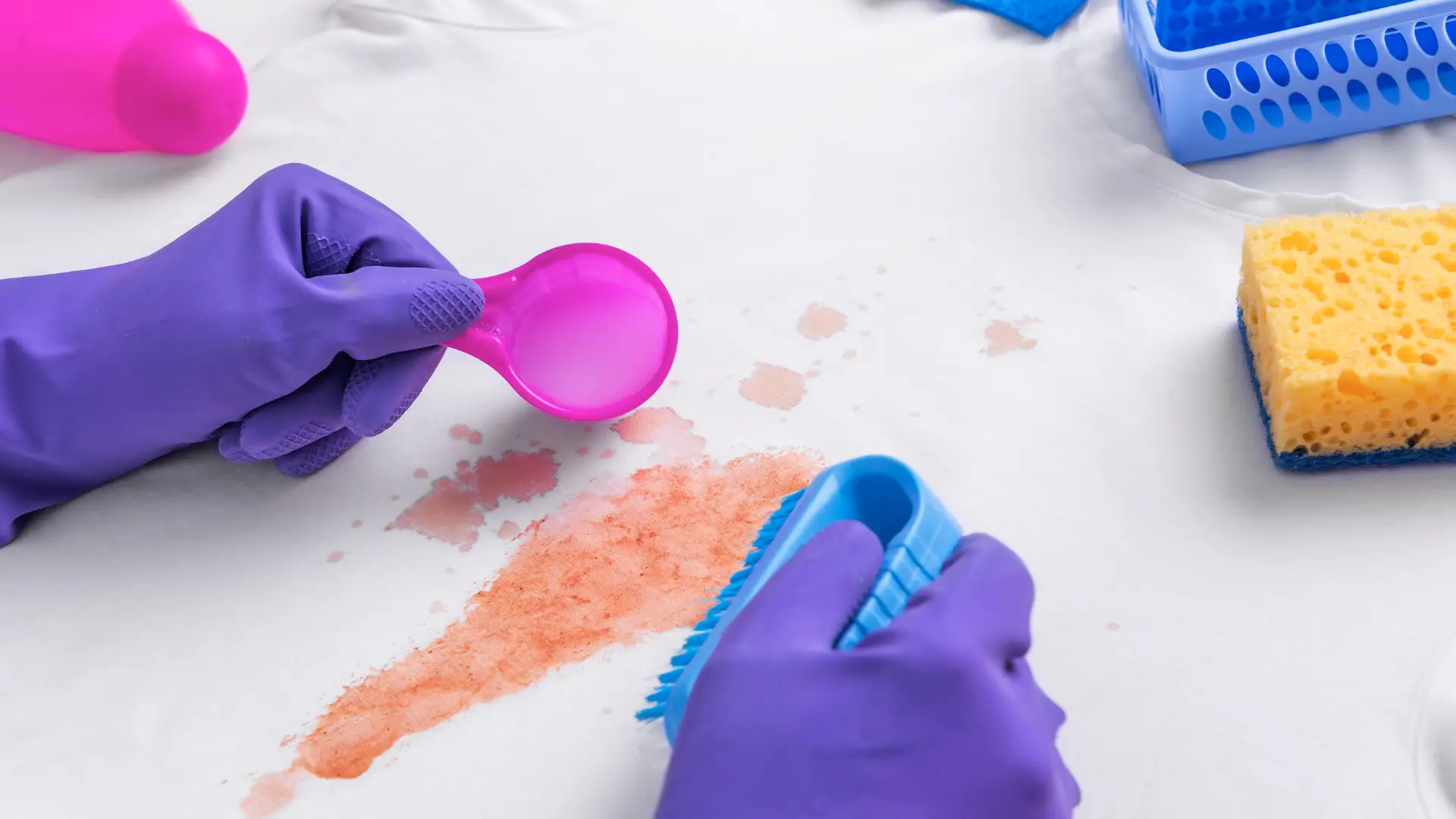
Mix the solution. Combine the vinegar, rubbing alcohol, and dish soap in a spray bottle.
-
Apply to the stain. Spray the stained area generously, saturating the fabric but avoiding drenching it.
-
Work it in. Use a soft clothing brush, toothbrush, or cloth to gently scrub the stain in circular motions.
-
Optional: add baking soda. For tougher stains, sprinkle a little baking soda on top of the pretreated area and gently brush again. The baking soda can help lift residue and neutralize odors.
-
Rinse or launder. After treatment, either rinse with cold water or launder as usual according to the fabric care instructions
Tips & Precautions
-
Test first. Always do a spot test on an inconspicuous area before treating the whole stain to ensure the solution doesn’t discolor or weaken the fabric.
-
Act fast. The sooner you can treat a stain, the better your chances of full removal.
-
Avoid heat until stain is gone. Don’t dry or iron stained fabric until you’re sure the stain is removed — heat can set it permanently.
-
Use gentle scrubbing. Be careful with delicate fabrics like silk or wool; very soft brushing or even blotting may be better.
-
Store safely. Label your spray bottle and keep it out of reach of children or pets. The mixture includes rubbing alcohol, which is flammable.
Why This Works
-
Vinegar helps break down certain stains and neutralize odors.
-
Rubbing alcohol is effective at dissolving many oily or dye-based stains.
-
Dish soap acts as a surfactant, helping lift grease and grime from fabrics.
-
Baking soda adds gentle abrasive action and can help absorb remaining residues.
When This Might Not Be Enough
Very stubborn stains — like red wine, ink, or paint — may require specialized stain removers or professional cleaning. Always check the garment’s care label; dry-clean–only fabrics may not respond well to DIY treatments.
6. White Vinegar and Baking Soda for Set-In Stains
This classic combination was commonly used to tackle sweat stains, food spills, and mystery marks.
How to make and use it:
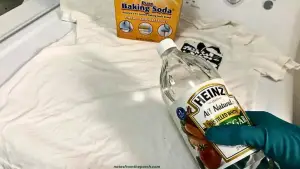
Sprinkle baking soda directly onto the stain. Slowly pour white vinegar over it and allow it to fizz. Let the mixture sit for 15–30 minutes, gently rub the fabric together, then rinse with warm water and wash as usual. This method works especially well for cotton and linen fabrics.
7. Cornstarch for Oil and Grease Stains
A dry method that absorbs oil before it spreads.
How to make and use it:
Sprinkle cornstarch directly onto the grease stain and let it sit for at least 30 minutes. Brush off the powder, then wash the garment. Repeat if needed. This works especially well on delicate fabrics.
8. GETTING RID OF FOOD STAIN:
Getting rid of food stains from shirts can be really hard to do. But this article will make it seem very easy. All you have to do is make your own stain remover. This might sound hard to do but trust me it’s very easy to make.
Here are the things you need:
- 1 cup of Vinegar
- 2 cups of Rubbing alcohol
- 3 tbsp Dish soap
INSTRUCTION:
Mix these together into a spray bottle and spray the stained area of your shirt. Then use a small clothing brush to clean the stained area.
You can add baking powder to the stained area to get get a better clean.
9. Hydrogen Peroxide and Dish Soap for Protein Stains
A go-to remedy for blood, sweat, and food stains in light-colored clothing.
How to make and use it:
Mix equal parts hydrogen peroxide and mild dish soap. Apply directly to the stain and gently work it in with your fingers or a soft brush. Let it sit for 10 minutes, rinse thoroughly, then launder. Always spot-test first, as peroxide can lighten fabric.
10. Salt and Cold Water for Red Wine and Berry Stains
A vintage emergency fix often used before stains could set.
How to make and use it:
Blot excess liquid first. Sprinkle a generous amount of salt over the stain and pour cold water through the fabric from the back. Once the stain fades, rinse and wash. This works best when done immediately.
11. Lemon Juice and Sunlight for Yellowing
Used for generations to naturally brighten whites.
How to make and use it:
Saturate the stained area with fresh lemon juice. Place the garment in direct sunlight for several hours. Rinse and wash normally. This method is ideal for removing yellow stains from white shirts, pillowcases, and linens.
12. Borax Soak for Heavy Dirt and Grease
Borax was a laundry staple long before modern detergents existed.
How to make and use it:
Dissolve ½ cup of borax in a basin of warm water. Soak stained clothing for 1–2 hours, then wash as usual. This method is effective for work clothes, collars, and grease-stained fabrics.
Conclusion
This DIY stain remover gives you a powerful, economical tool for handling many common stains right at home. With a few pantry ingredients, a little patience, and the right approach, you can often restore your fabrics without expensive products.

Comments are closed.