
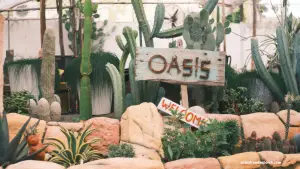
 If you’ve ever loved plants but hated the responsibility that comes with them, welcome — succulents are your people. A succulent garden is perfect for anyone who forgets to water, travels often, or simply doesn’t want their plants to act dramatic when life gets busy. These hardy little plants are built to survive neglect, and with the right setup, they don’t just survive — they thrive. The secret isn’t constant care. It’s smart planning from the start.
Here is how to grow a succulent garden that Survives on neglect.
What Are Succulents?
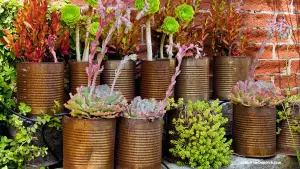
Succulents are plants that store water in their leaves, stems, or roots. That’s why they have thick, fleshy leaves and a slightly waxy look. This built-in water storage allows them to go long periods without watering, making them ideal for low-maintenance gardens. Aloe, echeveria, jade, haworthia, and sedum are all popular succulent varieties that do well in both pots and outdoor gardens.
How to Create a Succulent Garden
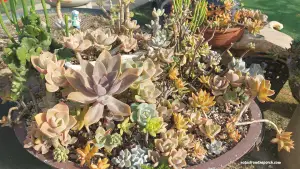
Creating a succulent garden starts with choosing a location that gets plenty of light and drains well. Succulents love bright light, especially morning sun, but they don’t need constant attention. Whether you’re planting in containers, raised beds, or directly in the ground, the goal is to give them a dry, breathable environment where water doesn’t linger around the roots.
Prepping the Soil
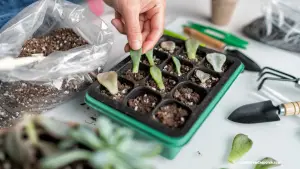
Soil is where most people go wrong with succulents. Regular garden soil holds too much moisture, which can cause rot. Use a cactus or succulent soil mix, or make your own by combining potting soil with coarse sand and perlite. The soil should feel loose and gritty, not heavy or compact. This allows excess water to drain quickly and keeps roots healthy.

The Right Pot for Succulents
If you’re using containers, drainage holes are non-negotiable. Terracotta pots are especially great because they absorb excess moisture and help prevent soggy roots. Avoid deep pots unless the succulent has a large root system. Shallow, wide containers work best and allow you to create a visually appealing arrangement while keeping water levels under control.
Make a Designed Plan for Your Garden
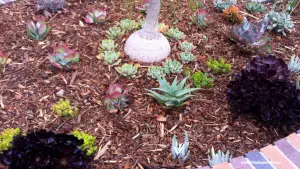
Before planting, lay out your succulents to see how they’ll look together. Mix different shapes, sizes, and colors for visual interest. Taller succulents can go in the back or center, while trailing varieties work beautifully along edges. Planning ahead helps prevent overcrowding and ensures each plant gets enough airflow and light.
Choose the Right Type of Succulent
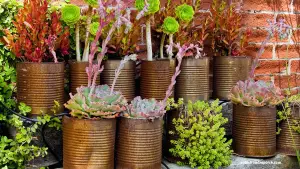
Not all succulents like the same conditions. Some prefer bright direct sun, while others do better in partial shade. If your garden gets intense sunlight, choose sun-loving types like agave or sedum. For indoor or shaded areas, haworthia and snake plants are more forgiving. Group succulents with similar light and water needs to keep care simple.
Watering Succulents
Succulents prefer deep but infrequent watering. Water thoroughly until it drains out the bottom, then leave the soil completely dry before watering again. Overwatering is far more harmful than underwatering. In most cases, watering every 2–3 weeks is plenty, and even less during cooler months.
Here is a full guide on the correct way to water succulents without drowning them.
How to Know If Your Succulent Garden Is Healthy and Happy
A healthy succulent garden looks firm, upright, and vibrant. Leaves should feel plump, not mushy or shriveled. Growth may be slow, but that’s normal — succulents take their time. New leaves forming at the center and subtle color changes are signs your plants are settling in and adapting well.
If your succulents start stretching or leaning toward the light, that’s a sign they need brighter conditions. Yellowing leaves or soggy stems usually point to overwatering. The beauty of a succulent garden is that it communicates clearly — once you know what to look for, small adjustments go a long way.
The best sign of success? When weeks go by, you realize you haven’t done much at all — and your garden still looks amazing. That’s when you know you’ve built a succulent garden that truly thrives on neglect.

Comments are closed.