
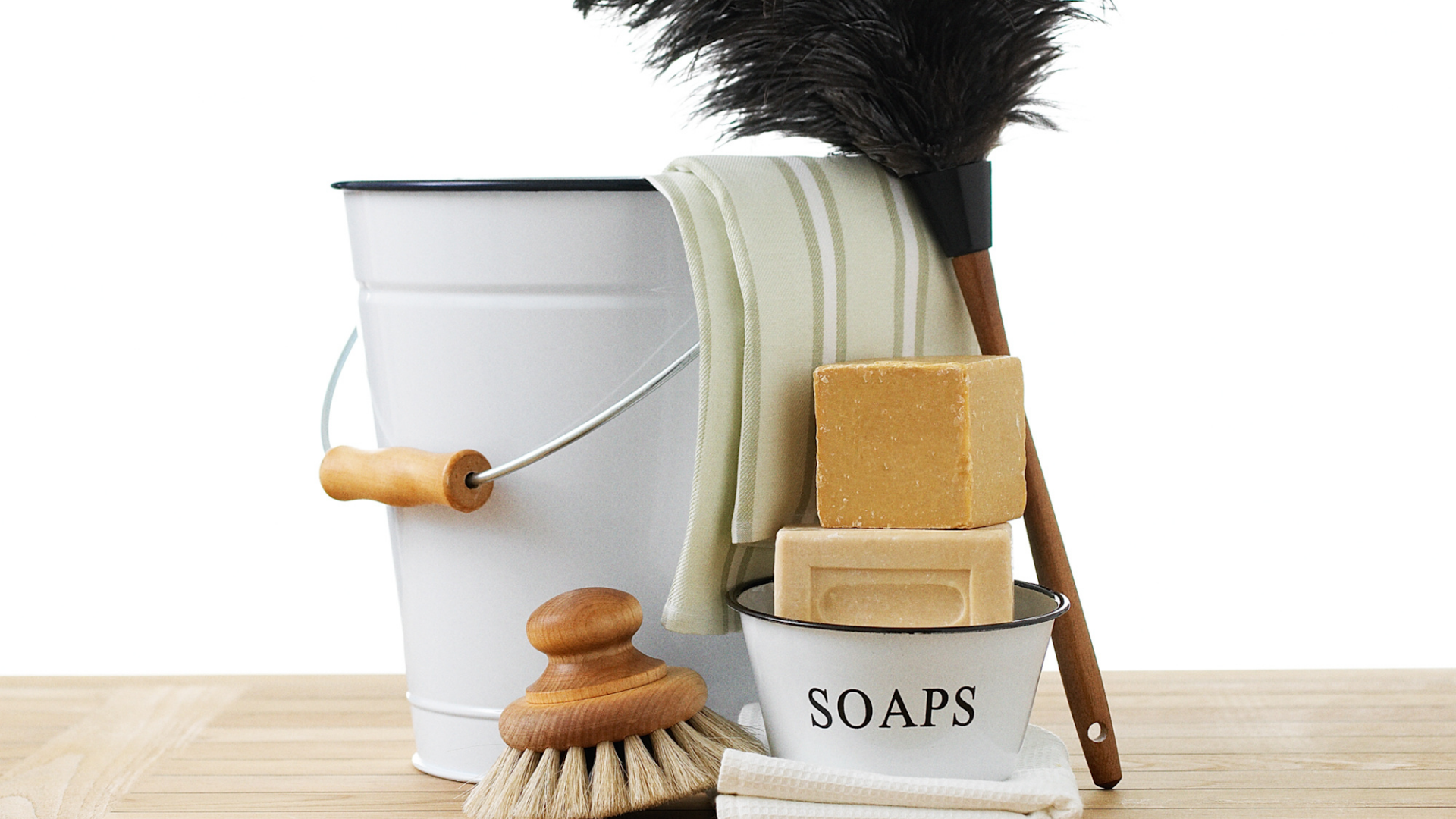
Ever wonder how people kept their homes sparkling clean before the days of fancy sprays and disposable wipes? Back then, Grandma didn’t have ten different products lined up under the sink—she had a handful of clever tricks that actually worked. The beauty of these vintage cleaning tips is that they’re simple, budget-friendly, and often use things you already have around the house. If you’ve ever wished you could save time, money, and elbow grease while cleaning, these old-school secrets are about to become your new best friend.
Let’s dive into 20 timeless cleaning hacks that stood the test of time.
24 VINTAGE CLEANING TIPS YOU SHOULD KNOW:
VINTAGE CLEANING
These vintage cleaning tips that I will be talking about today are going to show you 5 new ways you can clean/do certain things around your house. They will also save you a lot of money. Lets get started!
1. Vinegar Window Wash
Forget pricey window sprays—vinegar was the go-to solution for sparkling windows. Mix equal parts white vinegar and water in a spray bottle, then spritz directly on glass surfaces. Wipe with a lint-free cloth, or better yet, an old piece of newspaper to avoid streaks. This method not only makes your windows shine but also cuts through stubborn grime and hard water stains.
2. Baking Soda Deodorizer
Baking soda has been trusted for decades to eliminate odors naturally. Sprinkle it generously over carpets, rugs, or upholstery, and let it sit for 15–30 minutes. The powder absorbs unpleasant smells from pets, smoke, or spills. Once you vacuum it up, your room will feel instantly fresher—without the use of harsh chemicals.
3. Lemon Shine for Faucets
Lemons were once more than just a garnish—they were used as a natural cleaning tool. Cut a lemon in half and rub it directly onto faucets and sink fixtures. The citric acid breaks down hard water stains and soap scum, leaving everything shiny. Rinse with warm water and dry with a cloth for a polished finish.
4. Newspaper for Glass
Before microfiber cloths, people swore by newspaper to clean mirrors and glass. Spray a vinegar-and-water solution on your mirror, then wipe in circular motions with a crumpled newspaper page. The ink helps reduce streaks, giving you
5. USE VINEGAR TO CLEAN
If you read any of my other articles you will know that I mention vinegar a lot. This is because vinegar is really good at a lot of things and cleaning is one of them. You can use vinegar to clean areas and things such as your tile floors, mirrors, windows, countertops, stainless steel, etc. This article “ 8 amazing vinegar hacks/uses” will give you some more in-depth ways on how you can use vinegar to clean your home.
6. AIR DRY CLOTHES
If your clothes are shrinking in the washer and you want to avoid this. All you have to do is just air dry them outside.
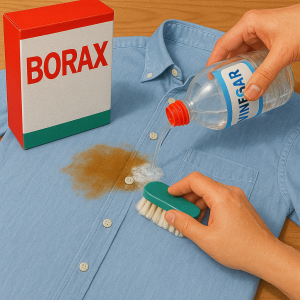
7. REMOVE SHIRT STAINS WITH BORAX & VINEGAR
Shirt stains can be really hard to get rid of. One of the best ways to remove them is to use borax, dish soap, and vinegar. Only do this to a white shirt because doing this on a colored shirt might mess it up. Pour 1.2 cup of vinegar on the stained area on the shirt then squeeze a few drops of dish soap onto it, after that just add 3 tbsp of borax and use an old cloth to gently scrub away the stain.
8. SOAK POTS FOR AN EASIER CLEAN
Have you ever cooked something in a pot but the bottom of the pot has burnt food/grease stuck on it? If so the best way to clean that pot is to just fill the pot halfway up with warm water. Then squeeze a few drops of dish soap into it as well. You can also add 2 cups of vinegar. Then let inside of the pot soak overnight. After that just use a Scotch-Brite to scrub the pot.
9. Salt for Stained Cups
Tea and coffee stains on mugs can be stubborn, but salt makes a gentle scrub. Dampen the inside of the cup, then sprinkle coarse salt directly on the stain. Use your fingers or a soft cloth to rub the area in circular motions. Within minutes, the discoloration fades, leaving your mugs looking new again.
10. Cornstarch for Windows
For a polished finish, vintage homemakers often used cornstarch on windows. Mix 1 tablespoon of cornstarch into 1 cup of warm water until dissolved. Dip a clean cloth into the mixture, then wipe down windows to remove streaks. Once dry, buff with a dry towel for a glassy shine.
11. Vinegar for Musty Towels
Nothing ruins laundry day like musty-smelling towels. To fix this, add one cup of white vinegar to the wash cycle without detergent. The vinegar neutralizes odors, breaks down soap residue, and softens the fabric. Afterward, wash again with your regular detergent for fresh-smelling towels.
12. Potato for Rust
This quirky old trick really works for rust spots. Cut a potato in half, dip the cut side in salt or baking soda, and rub it over the rusted area. The oxalic acid in potatoes helps dissolve rust naturally. Rinse the item afterward and dry thoroughly to prevent new rust from forming.
13. Tea for Wood Furniture
Black tea isn’t just for drinking—it makes a great natural wood polish. Brew two tea bags in a cup of boiling water, let it cool, and dip a soft cloth into the tea. Wipe down wooden tables, chairs, or cabinets to revive their shine. The tannins in tea enhance the wood’s natural color and add a healthy glow.
14. Milk for Ink Stains
Got ink on your favorite shirt? Grandma’s solution was a simple soak in milk. Pour enough milk into a bowl to submerge the stained area and leave it overnight. By morning, the milk helps lift much of the stain, making it easier to wash out completely.
15. Salt & Lemon for Cutting Boards
Wooden cutting boards can hold odors and bacteria if not cleaned properly. Sprinkle coarse salt all over the surface, then scrub with half a lemon. The salt scours while the lemon disinfects and deodorizes. Rinse with warm water, and your board will be clean and refreshed.
16. Flour for Grease Spills
Fresh grease spills can be a nightmare to clean. Sprinkle flour over the spill to absorb the grease before it spreads. Let it sit for a few minutes, then sweep or wipe it away. This trick works especially well on kitchen counters or wooden surfaces.
17. Vinegar for Showerheads
Mineral buildup can leave showerheads spraying unevenly. Fill a plastic bag with vinegar, slip it over the showerhead, and secure it with a rubber band. Let it soak overnight, then remove the bag and run water through the shower. The vinegar dissolves limescale, restoring strong water pressure.
18. Borax for Laundry Boost
Borax has been a laundry booster since the early 1900s. Add half a cup to your regular load of laundry to whiten whites and brighten colors. It also softens hard water, making your detergent more effective. Plus, it helps remove stubborn odors from clothes and linens.
19. Club Soda for Carpet Spills
Club soda is a surprisingly effective carpet cleaner. Pour a small amount directly onto a fresh spill and blot with a clean cloth. The carbonation lifts the stain while the mild acidity breaks down discoloration. Repeat until the stain disappears, then allow the area to air dry.
20. Olive Oil for Leather
Leather needs moisture to stay supple, and olive oil works in a pinch. Dab a little onto a soft cloth and rub it into shoes, bags, or furniture. Leave it for about 30 minutes to soak in, then buff with a dry cloth. This restores shine and prevents cracking.
21. Chalk for Grease Stains
Old-school homemakers kept chalk in the laundry room for a reason. Rub white chalk over fresh grease stains before tossing clothes in the wash. The chalk absorbs excess oil, making the stain easier to remove. Wash as usual, and you’ll notice the stain fading.
22. Vinegar for Pet Hair
Pet hair clinging to upholstery or carpets can be frustrating. Lightly spritz the surface with a mixture of vinegar and water before vacuuming. The vinegar loosens static, helping the vacuum pick up more hair. It’s a safe and natural solution for pet-friendly homes.
23. Baking Soda for Oven Cleaning
Forget harsh oven cleaners—baking soda does the trick. Make a thick paste with baking soda and water, then spread it over the oven’s interior. Let it sit overnight to break down grease and grime. In the morning, scrub and wipe clean for a sparkling oven.
24. Salt for Iron Burns
If your iron leaves scorch marks on fabric, salt can help. Sprinkle a generous layer of salt on plain paper. Run the warm iron over it a few times, and the scorched residue will lift from the iron’s surface. This keeps the iron clean and safe for future use.
CONCLUSION:
Sometimes, the ones passed down through generations. These vintage cleaning tips prove that a few simple, natural ingredients can tackle just about any mess. They’re practical, eco-friendly, and often cheaper than store-bought alternatives. Next time you’re tempted to grab an expensive cleaner, try one of these old-school hacks—you might be surprised how well they still work today.
Comments are closed.